Source Micro Insert Ceramic Earrings for Jewelry, Gifts, and Parties
Find and compare 30 listings for micro insert ceramic earrings suitable for decoration, gifts, and special occasions. Options include copper, resinous, zircon, sterling silver, and pearl materials with various certifications and customization services available for bulk orders.
Key considerations
Products List


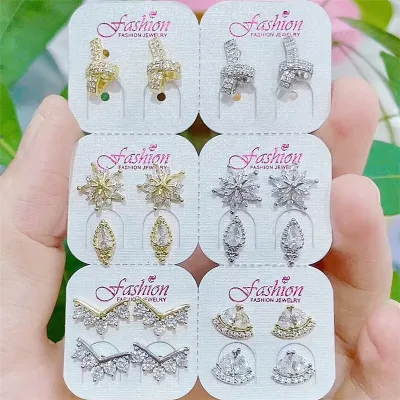
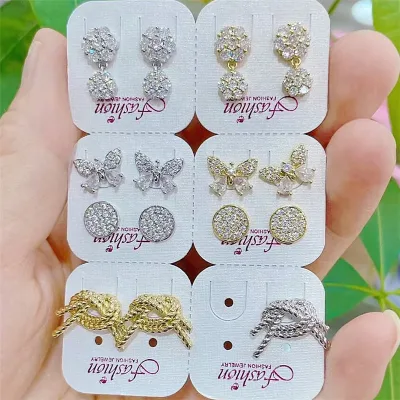
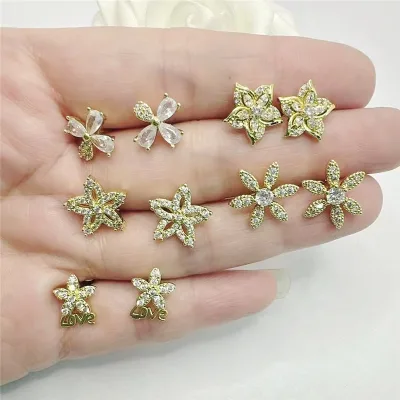
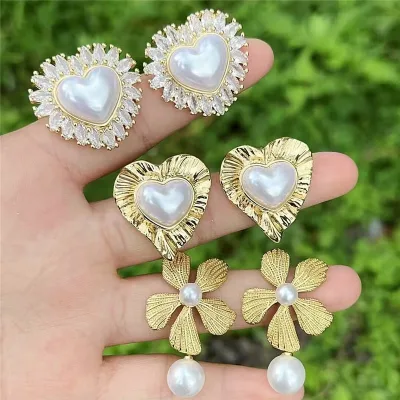
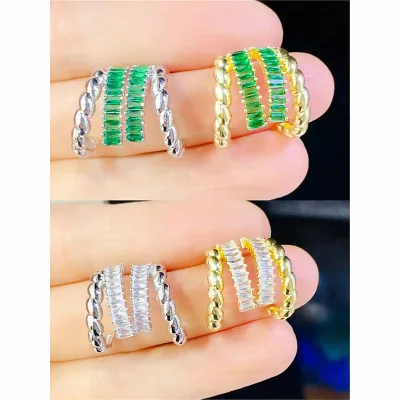
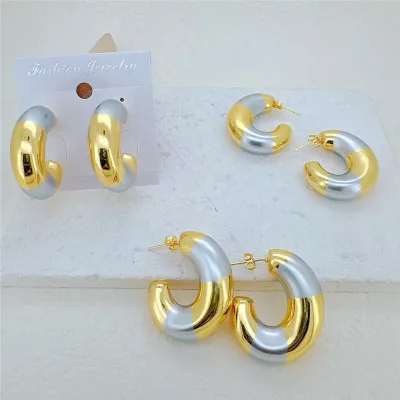


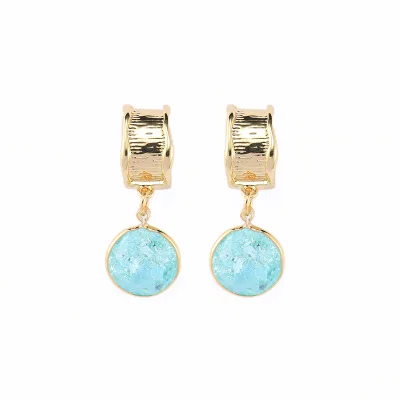

Comprehensive Sourcing Guide
Micro Insert Ceramic Earrings Sourcing Guide
The micro insert ceramic earring category represents a specialized segment of body jewelry designed for initial healing and long-term wear, where material purity and surface finish are critical for biocompatibility. While the supplied product data highlights a diverse range of materials including copper, resin, zircon, and 925 sterling silver, the specific "ceramic" attribute requires distinct verification, as the provided listings do not explicitly confirm ceramic composition for all items. Buyers must distinguish between general fashion earrings and true medical-grade ceramic pieces, as the latter demands specific manufacturing processes to ensure the material is non-porous and free from metallic ions that could trigger allergic reactions.
Procurement strategies for this niche must account for the variability in product origins, with observed supply chains originating from Zhejiang and Guangzhou, China. The data indicates a wide spectrum of customization capabilities, including OEM and ODM services, which allows buyers to tailor designs for specific markets such as Europe, North America, and Russia. However, the presence of diverse materials like resin and silver in the same dataset suggests that a single supplier may offer a broad catalog rather than specializing exclusively in ceramic. Consequently, buyers must rigorously filter supplier inventories to isolate true ceramic micro inserts, ensuring that the "Star Fashion" or "Simple" styles observed in the data align with the functional requirements of medical-grade jewelry rather than purely decorative intent.
Product Scope and Observed Listing Signals
The observed product scope in the current market data reveals a significant divergence between general fashion jewelry and specialized body jewelry, necessitating careful filtering during the sourcing process. Listings indicate materials such as copper, resin, and zircon, with weights ranging from 6g to 8g, which are typical for decorative studs but may not meet the lightweight criteria often preferred for micro inserts intended for sensitive piercings. The "Youth" and "Girls" age attributes, alongside styles like "Star Fashion," suggest a strong presence of fashion-oriented inventory that may lack the specific biocompatibility required for initial healing piercings. Buyers must verify that the "Micro Insert" designation is not merely a marketing term for standard studs but refers to a specific gauge and length designed for the earlobe or cartilage.
Commercial signals in the listings, such as the availability of "Lead Free, Nickle Free, Cadmium Free" attributes, provide a baseline for safety but do not guarantee the specific ceramic composition required for high-end micro inserts. The data shows that while some products are marketed for "Engagement, Gift, Party, Wedding," others are explicitly for "Decoration, Health, Gift," indicating a split in product positioning. The "Health" usage claim is particularly relevant for micro inserts, yet the material list includes "Resinous" and "Copper," which are generally unsuitable for long-term wear in fresh piercings. Sourcing teams must cross-reference the "Eco-Friendly" claims with the actual material composition to ensure the product aligns with the strict hygiene standards expected of ceramic body jewelry.
Technical Specifications to Verify
When evaluating technical specifications, the primary focus must be on the material composition and surface finish, as these directly impact the biocompatibility of the earring. The supplied facts mention "925 Sterling Silver" and "Zircon" alongside "Copper" and "Resin," but true ceramic micro inserts require a specific vitrified alumina or zirconia composition that is distinct from these metals and stones. Buyers should verify that the "Quality Standard" aligns with medical device regulations rather than general fashion standards, as the "Us Standard" mentioned in the data may not cover the specific ISO requirements for implant-grade materials. The "Shape" and "Type" attributes, such as "Circle-shaped Earrings" or "Eardrop," must be scrutinized to ensure the geometry supports the "Micro Insert" function, which typically involves a flat back and a specific post length to prevent migration.
Dimensional consistency and weight are critical technical factors that influence wearer comfort and healing outcomes. The observed weight range of 6g to 8g in the provided data suggests that some items may be heavier than ideal for micro inserts, which are often designed to be ultra-lightweight to minimize pressure on the piercing channel. Buyers must request detailed specifications for the post diameter and length, as these are not explicitly detailed in the general product attributes but are essential for the "Micro Insert" classification. Additionally, the "Standard" attribute of "as picture" is insufficient for technical verification; procurement teams must demand precise engineering drawings or physical samples to confirm that the internal threading or friction fit meets the necessary tolerances for secure, irritation-free wear.
Compliance and Safety Documentation
Compliance and safety documentation for micro insert ceramic earrings must extend beyond general fashion certifications to include specific biocompatibility testing. The provided data lists certifications such as SGS, BV, Intertek, CE, ISO9001, and CNAS, which are valuable indicators of a supplier's quality management systems but do not automatically confirm that the ceramic material is free from heavy metals or suitable for implantation. Buyers must explicitly request test reports that verify the absence of nickel, lead, and cadmium in the ceramic matrix itself, as the "Lead Free, Nickle Free, Cadmium Free" claim in the data applies to the general product line and may not cover the specific ceramic variant. The "CE" marking is particularly relevant for the European market, but it must be supported by specific material safety data sheets (MSDS) for the ceramic component.
Documentation regarding the manufacturing origin and supply chain transparency is equally critical for maintaining trust and regulatory compliance. The data indicates origins in Zhejiang and Guangzhou, China, regions known for diverse manufacturing capabilities, but buyers must ensure that the specific facility producing the ceramic inserts adheres to strict hygiene protocols. The "Delivery Time" of 15-20 days after deposit and the "Sample Time" within 15 work days suggest a standard production cycle, but this timeline should be validated against the time required for independent third-party testing of the ceramic material. Buyers should require that the "Certificate" documents explicitly state the material grade and testing standards applied to the specific batch of micro inserts, rather than relying on general factory certifications that may cover a broader range of non-medical products.
Cost Drivers and Commercial Terms
Cost drivers for micro insert ceramic earrings are heavily influenced by the material purity, manufacturing precision, and the level of customization required. While the observed price range in the data spans from $0.51 to $12.14, this wide variance likely reflects the inclusion of lower-cost materials like resin and copper alongside higher-value options like sterling silver. True medical-grade ceramic inserts typically command a higher price point due to the specialized sintering processes and quality control measures needed to ensure biocompatibility. Buyers should be wary of prices at the lower end of the spectrum, as they may indicate products that are merely "ceramic-coated" or made from non-medical grade materials that do not meet the rigorous standards of micro insert jewelry.
Commercial terms such as MOQ, payment methods, and shipping logistics play a significant role in the overall procurement strategy. The data shows an MOQ range of 1 to 100 pieces, with specific listings indicating an MOQ of 30 PCS, which offers flexibility for small-batch orders but may increase the unit cost. Payment options including T/T, Western Union, and PayPal provide standard security, but buyers should negotiate terms that protect against quality discrepancies, especially given the "Sample Time" of 15 work days. Shipping methods like DHL, UPS, and FedEx are available, but the "Shipment" costs and lead times must be factored into the total landed cost, particularly for international markets in Europe and North America where regulatory compliance is strict.
Supplier Qualification and Quality Control
Supplier qualification for micro insert ceramic earrings requires a deep dive into the manufacturer's specific capabilities regarding ceramic processing and medical-grade production. The data highlights "Manufacturer" as a key advantage and mentions "Welcome OEM&ODM" services, indicating that many suppliers are capable of custom design. However, buyers must verify that the supplier has dedicated equipment for producing ceramic components, as the presence of copper and resin lines suggests a generalist operation that may not prioritize the specific quality controls needed for implant-grade materials. The "Service" attribute of "OEM&Custom Design Manufacture" is a positive signal, but it must be backed by evidence of experience in producing medical-grade body jewelry.
Quality control protocols must be robust and transparent, extending beyond the "Quality Standard" of "Us Standard" mentioned in the data. Buyers should implement a rigorous inspection regime that includes visual checks for surface defects, dimensional verification of the post and back, and random sampling for material composition analysis. The "prod_packing" of "OPP Bag" or "Carton" is standard, but for medical-grade items, packaging should be sterile or designed to prevent contamination during transit. The "Advantage" of being a manufacturer is valuable, but it must be coupled with a clear quality assurance plan that addresses the specific risks associated with ceramic materials, such as brittleness or surface porosity, which could compromise the safety of the micro insert.
Long-Term Procurement Checks
Long-term procurement checks for micro insert ceramic earrings should focus on the consistency of material quality and the supplier's ability to maintain compliance over time. The "Main Market" data points to Europe, North America, and Russia, regions with stringent regulatory environments that may evolve, requiring suppliers to adapt their production and documentation processes. Buyers should establish a schedule for periodic re-verification of certifications and test results, ensuring that the "Lead Free, Nickle Free" claims remain valid as production batches change. The "Delivery Time" of 15-20 days should be monitored for consistency, as delays or rushed production can lead to quality lapses that are difficult to detect in the final product.
Building a resilient supply chain involves diversifying sources and maintaining open communication regarding product updates and regulatory changes. The "Sample Time" of within 15 work days allows for regular testing of new batches, which is essential for maintaining trust with end consumers who rely on these products for health and safety. Buyers should also monitor the "Product Model" numbers, such as JY1206012 or 744631936433, to track specific design iterations and ensure that any changes in materials or manufacturing processes are fully documented and approved. By maintaining a proactive approach to supplier management, buyers can mitigate risks and ensure a steady supply of high-quality micro insert ceramic earrings that meet the evolving demands of the global market.
FAQs
What materials are used for these earrings?
The earrings are crafted from copper, resinous materials, zircon, and 925 sterling silver. Some designs incorporate pearls for a classic look. These materials ensure durability and aesthetic appeal for various fashion styles.
Are the earrings safe for sensitive skin?
Yes, the products are lead-free, nickel-free, and cadmium-free. They comply with SGS, BV, and Intertek certifications. This ensures they are safe for daily wear and suitable for individuals with metal sensitivities.
Can I customize the design or packaging?
Customization is available for both OEM and ODM requests. You can specify designs, stamps like 925, and packaging options such as OPP bags or cartons. This service supports unique branding and specific gift requirements.
What is the typical delivery time?
Samples are ready within 15 work days. Bulk production delivery typically takes 15 to 20 days after receiving the deposit. This timeline allows for efficient planning for events, parties, or promotional campaigns.
What is the minimum order quantity?
The minimum order quantity ranges from 1 to 100 pieces, with some specific items requiring 30 pieces. This flexible MOQ supports both small trial orders and larger bulk purchases for retail or wholesale distribution.
Where are these earrings manufactured?
The products originate from Zhejiang and Guangzhou in China. These regions are known for their robust jewelry manufacturing capabilities. The goods are shipped via DHL, UPS, TNT, and other reliable courier services.